What It’s Like To Be a Normal Person on National TV


Getting to be on this excellent program was a highlight of 2024.

Most PR people spend time securing opportunities for their clients, but recently, I was asked to appear on The Drew Barrymore Show to model some holiday fashions myself. 

With recent guests like Ariana Grande, Gwyneth Paltrow, U.S. Surgeon General Vivek H. Murthy, Ms. Rachel, and Martha Stewart, it was immediately apparent that I would be among peers.

Kidding. These people are some of the biggest celebs in the world. So, how did I get to be a part of it?

How I Got the Opportunity

With over a million viewers per episode, The Drew Barrymore Show is the third most-watched syndicated talk show in the US and an excellent opportunity to get known.

While most of the opportunities I generate for PR clients come through pitching activities, in this case, I connected with the producer through my local NYC neighborhood Facebook group.

Initially, the producer sought someone for a hair-makeover-themed episode. While she picked someone else for that opportunity, she circled back a few months later to see if I was interested in modeling some holiday fashions. There was only one answer to that question!

To be considered, I had to submit a short video describing my favorite holiday looks, along with my clothing and shoe size, height, marital status, and profession.

They needed the video quickly, so I filmed a short monologue while pushing a stroller up a hill, waxing poetic about my favorite holiday looks, which included the fabric velvet. 

The video wasn’t perfect, but it reflected my personality, and I made sure to answer the exact questions they asked.

Please note: I dropped everything to answer these questions as soon as I received the message. This is super important if you plan to participate in a similar opportunity. Time is of the essence when it comes to responding to producers.

The Fitting

Audience members cue up on filming day.

When I learned they picked me, I was excited.

It had been over a decade since I was last on television myself, and knowing the current industry practices is essential for a PR person.

Furthermore, my family had recently moved over the summer, and I had dispensed with old holiday clothing; so a new outfit for the season was just what I needed.

A week prior to filming, I arrived at CBS’s 57th Street studios to try on five on-trend holiday looks.

The episode’s theme would focus on holiday looks under $75, selected by the incredible Kristina Zias.

Because I had provided my measurements, the dressing room was pre-filled with clothes that fit me perfectly.

The in-house stylist, Hodaly, did a fantastic job helping me try on each look and style them with jewelry and accessories.

My favorite outfits were an Express velvet off-the-shoulder top with an H&M black skirt and polka-dot tights; and another look that featured Zara washed-out-black, wide-leg jeans with a faint pinstripe and a velvet crystal blazer. Both looks featured affordable chunky faux-silver rings and earrings from Amazon.

One of the producers thought the blazer and jeans combo would be the winning look, and I learned that Drew herself would review the pictures and pick the winning look herself. I was excited to learn which look she liked best.

(It was also nice to know that I would have a holiday-ready outfit and no need to dig through boxes in my basement.)

Filming day
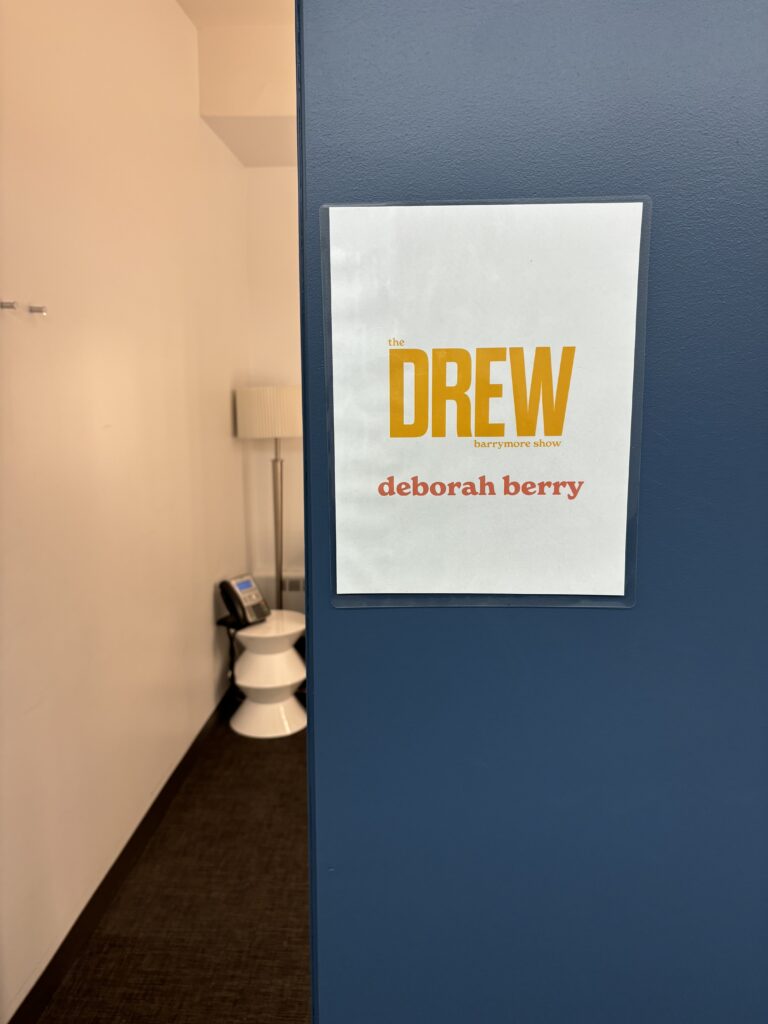
On filming day, I arrived back at CBS’s studios early and was ushered into my very own dressing room. 

The other participants, Sylvia and Lisette, had their fabulous holiday outfits on: Sylvia wore a gorgeous red ensemble, while Lisette had a brilliant gold sequin skirt. As for me, I learned Drew went with the velvet top and skirt ensemble, after all!

As I sat in Hair and Makeup chatting with the other participants, it got me thinking about how much I admire Drew Barrymore.

Of course, I remembered seeing her in E.T., which our family had on VHS in the 80s. I also watched her in Batman Forever, Mad Love, Scream, The Wedding Singer, and other iconic movies. I recalled reading her memoirs, which detailed her troubled childhood and rise in Hollywood. Today, she has a leading talk show with some of the best content and guests anywhere. She was someone I truly respected and admired—who has a talent for creating amazing content, and PR as well.

This wasn’t just a TV appearance; being a part of this show felt like collaborating with a friend, a continuation of chapters of my own life.

It’s Showtime

Now, we were backstage with the production crew, waiting for our turn to be called out on stage.

It was a stage I had seen hundreds of times over the past few years watching the show. Now, I would be on it.

I could hear the hosts’ banter clearly, along with audience applause. After Sylvia walked out confidently, I realized I was next.

I heard Valerie Bertinelli call my name (!). I made my way into the spotlight as the audience clapped.

As I had been instructed, I walked straight over to Drew, Valerie, a fashion influencer named Kristina Zias, and a stylist named Ross Matthews. They were welcoming and gave me the confidence to have fun with this.

I looked across the audience and smiled, and tried to relax as the world’s brightest spotlights blasted on me. 

Valerie and Drew peppered me with fun questions about my outfit and how I felt, and Kristina shared more details about the clothing and look.

After a few minutes of banter, I truly felt awesome. As the fashion segment wrapped, we returned to the stage, and Drew hugged us. 

The whole experience was enjoyable and worthwhile. I would recommend participating to anyone.

To top it off, we each received a $1k gift card to Universal Standard, an inclusive fashion brand, and got to keep the beautiful outfit.

Some opportunities can help you promote your product or service offerings. In this case, they wanted a “normal person” to model some clothes. I would recommend taking advantage of either opportunity if you can get it!

After filming was complete, I stepped out of the CBS studio in my street clothes and a full face of makeup, feeling energized and excited by my day on TV.

A few weeks later, the show aired! You can check out the segment I’m featured in here.

How You Can Do It

Are you interested in being on TV to promote your business or yourself?

Here are my tips on getting featured on TV, whether as a guest or talking about yourself or your business.

  1. Connect with producers. Producers are often the decision-makers when it comes to major national television shows. Prepare a summary of what you can and want to talk about, relevant to the current news cycle, and reach out. You can also aim to participate in an already-decided-upon show theme, for which producers often extend opportunities to members of the public.
  2. Preparation is critical. Watch the television show you are going to be on! In this case, I had seen hundreds of viral clips from the show, and I went back and watched several full episodes before even considering being part of it. Know the format, personality of the hosts, and type of questions you will be asked. You can ask the producer for this information and think about/practice your answers in advance.
  3. Have fun with it! National television shows get a lot of viewers, and this can make one nervous. However, everyone is there to have fun and hopefully learn about you as well. The more you have fun with it, the more that will show up on camera and be picked up by others in the show. 
  4. Share your appearance widely. Being on TV is work. It’s a long day, and a lot of hours standing, sitting and preparing. But it’s incredibly fun as well. Post your appearance on LinkedIn, your blog, in your newsletter, and across other social media. Leverage the positive results to talk about what you do.


How to Get Free Press Coverage for Your Business in 2024

In today’s digital age, gaining visibility is crucial for your business and bottom line. Here is a simple, six-step process for getting featured in the media—and becoming a known expert in your field.

Media mentions are not just about getting your name out there—they are about establishing credibility and building trust with your audience.

When a respected media outlet or a trusted influencer mentions your business or name, it acts as a third-party endorsement, significantly influencing how your audience perceives you.

Additionally, it can improve your online presence and position you as the known expert in your space.

Here is a simple, six-step guide for securing media coverage for your business, your company, or yourself.

1. Craft a Compelling Story for Media Outlets

To get the media’s attention, you need a story that’s not only interesting but also newsworthy.

Your brand’s story should resonate with the target audience of the media outlets you’re pitching to.

Here are the exact steps that will help you uncover your unique story.

  • Identify Newsworthy Angles in Your Business

Start by identifying what makes your brand unique.

Is there an innovative service you are offering, a significant company milestone, or a social cause your brand is championing?

What problems are you solving, and what unique tools or experience are you leveraging to do so?

These are all potential angles that can catch a journalist’s eye.

  • Craft Press Releases That Grab Attention

Use a strong headline that immediately conveys the news value.

In the body, provide all the essential details and add quotes from key figures within your company to give the story a personal touch.

Your press release should be concise, clear, and compelling.

  • Tailor Your Pitch to Different Media Outlets

Research the publication’s audience and tailor your pitch accordingly.

Mention why your story would be of interest to their readers, and how it fits within their typical content.

Not all media outlets are the same; a pitch that works for a tech blog might not resonate with a lifestyle magazine.

2. Build Relationships with Journalists and Influencers

Most people forget to do the first step: read and consume the content of the people you are pitching or plan to pitch.

Build relationships with journalists and influencers by providing value in order to become a consistent source.

Avoid sending “mass mailings” with lists pulled from databases; they are often inaccurate and can have a negative effect on the recipients.

Tips for Networking with Journalists and Media Influencers

Attend industry events and engage with journalists and influencers on social media.

Comment on their work, share their articles, and show genuine interest in their content.

Send occasional check-ins, share your brand’s updates, and offer exclusive information that might be of interest to them.

3. Leverage PR Tools

In today’s fast-paced world, leveraging PR tools can help streamline your efforts and maximize your media coverage.

Overview of Popular PR Tools and Platforms

While there are many PR opportunities tools in the nascent stages, I can recommend two (free) tools that I have used countless times over the years:

  • Connectively: It used to be called HARO (Help a Reporter Out), and before that it was called Bacon’s, but now it’s called Connectively. Requests range from independent newsletters and trade publications to top-tier media.
  • Qwoted: Founded by a former business journalist, this tool features requests from significant publications every day.

For any paid platform, there will be a limit on how many monthly pitches you can initiate before you have to subscribe; but if you’re just starting out, the free plan should be a great way to get started.

4. Pitching Journalists

Getting your brand in the news can be a game-changer, but how do you position yourself as an industry expert for journalists?

Become the Expert Voice on the Industry

Develop a unique angle or perspective: When pitching, focus on what makes your story different. How does your company or expertise relate to current trends or solve pressing problems?

Comment on current events: Stay up-to-date with news in your industry and be ready to offer insightful comments. This can position you as a go-to expert for future stories.

Offer exclusive data or insights: Journalists love data-driven stories. If you have unique industry insights or survey results, lead with those in your pitch.

Key Considerations

When pitching, always ask yourself, “Why would the journalist’s audience care about this?” If you can’t answer that question, refine your angle before reaching out.

When a journalist shows interest, respond quickly and provide any additional information they need. Remember, they’re often working on tight deadlines.

By mastering media relations and thought leadership, you’re not just promoting your brand—you’re establishing yourself as a trusted voice in your industry. This can lead to increased credibility, broader reach, and ultimately, more business opportunities.

The Benefits of Hiring a PR Agency vs. Doing It Yourself

If you have the budget, hiring a PR agency can be a worthwhile investment.

Agencies have established relationships with media outlets and can craft and execute a strategic PR plan tailored to your brand.

However, with the right tools and persistence, DIY PR can also yield significant results, especially for smaller businesses.

5. Maximizing the Impact of Your Media Mentions

Once you’ve secured media mentions, it’s important to leverage them to their full potential.

Repurposing and sharing these mentions can amplify their impact and extend your brand’s reach.

How to Repurpose Media Mentions for Content Marketing

Turn your media mentions into blog posts, social media content, and newsletters.

For example, if your brand was featured in an article, write a blog post expanding on the topic discussed and link back to the original article.

This not only drives traffic but also improves your SEO.

Sharing Media Mentions Across Social Channels and Newsletters

Share your media mentions across all your social media channels, tagging the publication or journalist where possible.

Include these mentions in your newsletters to keep your subscribers informed and engaged.

Create a “Media” or “As Seen In” section on your website where you can showcase your media mentions.

This adds social proof, which can be a deciding factor for potential customers.

6. Measuring the Success of PR

To ensure your efforts are paying off, it’s essential to measure the success of your media mentions strategy.

Key Metrics to Track the Effectiveness of Media Mentions

Some key metrics to monitor include the number of mentions, the quality of the publications (e.g., domain authority, readership), referral traffic, social shares, and any increases in brand mentions or direct traffic to your site.

You can also include direct or indirect leads and sales generated.

Tools and Techniques for Monitoring Media Coverage

Use tools like Google Alerts to monitor your brand’s media coverage.

There is no major media-monitoring software need if you are a solopreneur or small business starting to do press.

Just make sure to keep track of all published placements for marketing purposes.

How to Adjust Your Strategy Based on Performance Data

Regularly review your performance data and adjust your strategy accordingly.

If certain pitches or story angles are getting more traction, focus on those.

If a particular media outlet is driving significant traffic, strengthen your relationship with them.

Summary

Securing media mentions is a powerful way to increase your brand’s visibility, build trust, and establish credibility in the market.

You can significantly boost your brand’s presence by crafting compelling stories, building strong relationships with journalists and influencers, and leveraging the right tools.

Remember, consistency and persistence are key.

So, are you ready to see your brand in the spotlight? Start implementing these strategies today, and watch your business soar!

Effective Media Relations Techniques for Nonprofits

In the competitive landscape of nonprofit organizations, effective media relations can be a game-changer. By strategically engaging with the media, nonprofits can amplify their message, increase visibility, maximize awareness and donations, and ultimately further their mission. This article explores key techniques for nonprofits to build strong media relationships and maximize their impact through effective media outreach.

Understanding the Importance of Media Relations for Nonprofits

Media relations for nonprofits goes beyond simply getting press coverage. It’s about:

  1. Raising awareness about your cause
  2. Building credibility and trust with stakeholders
  3. Attracting donors and volunteers
  4. Influencing public opinion and policy
  5. Showcasing the impact of your work

With these goals in mind, let’s dive into the techniques that can help nonprofits achieve effective media relations.

1. Develop a Comprehensive Media Strategy

A well-thought-out media strategy is the foundation of successful media relations. This strategy should:

  • Align with your organization’s overall mission and goals
  • Identify key messages and target audiences
  • Outline specific media objectives (e.g., increase mentions by 20% in a year)
  • Include a mix of traditional and digital media outlets
  • Incorporate both proactive and reactive media approaches

Your media strategy should be flexible enough to adapt to changing circumstances and emerging opportunities.

2. Build and Maintain a Media List

A curated media list is an invaluable asset for any nonprofit. To build an effective list:

  • Research journalists and outlets that cover your area of focus
  • Include local, national, and if relevant, international media
  • Don’t forget industry-specific publications and blogs
  • Regularly update contact information and beat assignments
  • Use media database tools, but personalize your approach

Quality trumps quantity. A smaller list of relevant, engaged contacts is more valuable than a large list of uninterested journalists.

3. Craft Compelling Stories

Journalists are always on the lookout for compelling stories. To catch their attention:

  • Focus on human interest angles that bring your work to life
  • Use data and statistics to support your narrative
  • Tie your story to current events or trending topics
  • Highlight the unique aspects of your organization or approach
  • Prepare case studies that demonstrate your impact

A good story should be newsworthy, timely, and relevant to the journalist’s audience.

4. Perfect Your Pitch

Your pitch is often your first point of contact with a journalist. To make it count:

  • Craft attention-grabbing subject lines
  • Keep your pitch concise and to the point
  • Personalize each pitch to the journalist and their beat
  • Clearly state why the story matters to their audience
  • Offer exclusive angles or first access where possible
  • Include a clear call to action (e.g., interview request, site visit)

Avoid sending mass emails or generic pitches. Tailored, thoughtful outreach is far more likely to yield results.

5. Develop Strong Relationships with Journalists

Building relationships with journalists is a long-term investment. To foster these relationships:

  • Follow and engage with journalists on social media
  • Offer yourself as a reliable source for expert commentary
  • Respond promptly to media inquiries, even if you can’t help
  • Provide value beyond your own stories (e.g., industry insights, connections to other sources)
  • Be respectful of journalists’ time and deadlines

Media relations is about mutual benefit. The stronger your relationships, the more likely journalists are to consider your stories.

6. Create a Comprehensive Media Kit

A well-prepared media kit can make a journalist’s job easier and increase your chances of coverage. Your media kit should include:

  • An overview of your organization and its mission
  • Key facts and statistics about your work and impact
  • High-resolution logos and images
  • Bios and headshots of key spokespersons
  • Recent press releases and coverage highlights
  • Contact information for media inquiries

Make your media kit easily accessible on your website and keep it updated regularly.

7. Train Your Spokespersons

Having well-prepared spokespersons can significantly enhance your media relations efforts. To prepare your spokespersons:

  • Conduct media training sessions, including mock interviews
  • Develop key messages and practice incorporating them naturally
  • Prepare for difficult questions and practice bridging techniques
  • Ensure spokespersons understand different media formats (print, broadcast, online)
  • Regularly brief spokespersons on current issues and organizational stance

Consistency in messaging across all spokespersons is crucial for maintaining a clear organizational voice.

8. Leverage Multiple Channels

While traditional media remains important, don’t neglect other channels:

  • Maintain an active and engaging social media presence
  • Develop a content-rich blog on your website
  • Consider starting a podcast or YouTube channel
  • Explore opportunities for thought leadership articles
  • Participate in relevant online forums and discussions

These channels can complement your traditional media efforts and often serve as sources for journalists.

9. Host Media Events

Media events can be an effective way to generate coverage and build relationships. Consider:

  • Press conferences for major announcements
  • Behind-the-scenes tours of your operations
  • Exclusive briefings for select journalists
  • Media days showcasing your work and impact

Ensure your events offer clear value to journalists and make it easy for them to cover your story.

10. Measure and Analyze Your Media Relations Efforts

To continually improve your media relations, it’s crucial to measure and analyze your efforts. Track metrics such as:

  • Number and quality of media mentions
  • Reach and engagement of coverage
  • Message pull-through in articles
  • Website traffic driven by media coverage
  • Increases in donations or volunteers following media exposure

Use these insights to refine your strategy and demonstrate the value of media relations to your organization’s leadership.

11. Be Prepared for Crisis Communication

While proactive media relations is important, being prepared for potential crises is equally crucial. To prepare:

  • Develop a crisis communication plan
  • Identify potential crisis scenarios and prepare response templates
  • Designate and train crisis spokespersons
  • Establish protocols for quick internal communication and decision-making
  • Build relationships with key media contacts before a crisis hits

How you handle a crisis can significantly impact your organization’s reputation and future media relations efforts.

12. Collaborate with Other Organizations

Collaborating with other nonprofits or even for-profit companies can enhance your media relations efforts:

  • Partner on joint press releases or media events
  • Cross-promote each other’s content and stories
  • Collaborate on research or reports that generate media interest
  • Leverage partners’ media relationships

These collaborations can expand your reach and bring fresh angles to your stories.

Conclusion

Effective media relations for nonprofits is both an art and a science. It requires strategic thinking, creativity, persistence, and adaptability. By implementing these techniques, nonprofits can build strong media relationships, increase their visibility, and ultimately further their mission.

Successful media relations is an ongoing process. It requires consistent effort, but the payoff – in terms of increased awareness, credibility, and support for your cause – can be tremendous. As you implement these techniques, always keep your mission at the forefront, using media relations as a powerful tool to create the change you seek in the world.

By mastering these media relations techniques, nonprofits can increase awareness of their brand and mission, and in turn improve their financial outcomes.

Crisis Communication Strategies for Small Businesses in 2024

In today’s fast-paced business environment, crises can strike at any moment, threatening the reputation, operations, and survival of small businesses. Whether it’s a service failure, rogue customer, social media backlash, or a global pandemic, how a company responds in times of crisis can make or break its future. This article delves into effective crisis communication strategies tailored for small businesses, providing a roadmap to navigate through turbulent times.

Understanding Crisis Communication

Crisis communication is the practice of managing and disseminating information during emergency situations that could harm an organization’s reputation or viability. For small businesses, effective crisis communication is crucial, as they often lack the resources and brand resilience of larger corporations.

Key Components of Crisis Communication Strategy

1. Develop a Crisis Communication Plan

The foundation of effective crisis management is a well-thought-out plan. Small businesses should:

  • Identify potential crisis scenarios specific to their industry and operations
  • Create a crisis communication team with clearly defined roles and responsibilities
  • Develop communication templates for various crisis types
  • Establish protocols for information gathering and dissemination

Having a plan in place allows for quicker, more coordinated responses when crises occur.

2. Establish a Crisis Response Team

A dedicated crisis response team is essential. This team should include:

  • Key decision-makers from management
  • Representatives from PR, marketing, and customer service
  • Legal counsel (internal or external)
  • Subject matter experts relevant to potential crisis areas

Ensure that team members are trained in crisis management and media relations. Regular drills and simulations can help keep the team prepared.

3. Monitor and Identify Potential Issues

Proactive monitoring can help small businesses detect potential crises early. Implement:

  • Google Alerts for your company name and key industry terms
  • Social media listening tools to track brand mentions and sentiment
  • Regular reviews of customer feedback and complaints

Early detection allows for swift action, potentially mitigating the impact of a crisis.

4. Maintain Transparency and Honesty

In times of crisis, honesty is indeed the best policy. Small businesses should:

  • Communicate promptly and accurately, even if all details aren’t yet known
  • Avoid speculation or placing blame prematurely
  • Show genuine empathy and concern for affected parties
  • Admit mistakes if they occur and outline steps for rectification

Transparency builds trust and credibility, which are invaluable during crises.

5. Utilize Multiple Communication Channels

To ensure your message reaches all stakeholders, employ a multi-channel approach:

  • Update your website with crisis-related information
  • Use social media platforms for real-time updates and engagement
  • Send email newsletters to customers and partners
  • Issue press releases for significant developments
  • Consider setting up a dedicated hotline for urgent inquiries

Consistent messaging across all channels is crucial to avoid confusion and misinformation.

6. Prepare Spokespeople

Having well-prepared spokespeople can significantly impact how your business is perceived during a crisis. To achieve this:

  • Identify and train key employees in media relations
  • Develop clear, consistent messaging that aligns with your crisis communication plan
  • Practice responding to difficult questions through mock interviews
  • Ensure spokespeople are readily available to media and stakeholders

Remember, in small businesses, the owner or CEO is often the primary spokesperson. Their ability to communicate effectively under pressure is paramount.

7. Focus on Stakeholder Communication

Different stakeholders have different information needs during a crisis. Prioritize:

  • Employees: Keep them informed and engaged; they’re your front-line ambassadors
  • Customers: Address their concerns promptly and provide regular updates
  • Partners and suppliers: Maintain open lines of communication to minimize disruptions
  • Local community: Engage with community leaders if the crisis has local impact

Tailor your messages to each audience while maintaining overall consistency.

8. Learn from the Crisis

Every crisis presents an opportunity for improvement. After the immediate threat has passed:

  • Conduct a thorough post-crisis analysis
  • Gather feedback from stakeholders on your crisis response
  • Update your crisis communication plan based on lessons learned
  • Implement operational changes to prevent similar issues in the future

This reflective process can strengthen your business against future crises.

9. Build Relationships Before Crises Occur

Strong relationships can be a lifeline during crises. Small businesses should:

  • Establish connections with local media outlets
  • Engage regularly with the community through events or initiatives
  • Maintain a positive and active online presence
  • Foster good relationships with customers, partners, and industry peers

These relationships can provide support and credibility when you need it most.

10. Consider Legal Implications

Legal considerations are crucial in crisis communication. Small businesses should:

  • Consult with legal counsel before making public statements
  • Be aware of potential liabilities and how communication might impact them
  • Document all crisis-related communications for future reference
  • Understand industry-specific regulations that might apply in crisis situations

Balancing legal caution with the need for transparent communication can be challenging but is essential.

Conclusion

For small businesses, effective crisis communication can mean the difference between failure and success. By developing a solid crisis communication plan, fostering transparency, utilizing multiple channels, and focusing on stakeholder relationships, small businesses can navigate crises more effectively.

The goal of crisis communication is not just to manage the immediate threat, but to emerge from the crisis with relationships and reputation intact, or even strengthened. With careful planning and execution, small businesses can turn potential disasters into opportunities for demonstrating their values, commitment to stakeholders, and resilience.

In an era where information spreads at lightning speed, being prepared to communicate effectively in times of crisis is not just advisable – it’s essential for the survival and success of small businesses.

The Ultimate Guide to Public Relations Strategy in 2024

In today’s fast-paced, information-driven world, effective PR and media relations practices are crucial for any organization looking to shape its public image, improve reputation and increase its bottom line. But how can one do so efficiently and effectively?

Whether you’re a business owner, communications specialist, public relations department, publicly traded company, or anyone looking to improve their media outreach, this comprehensive guide will provide you with the knowledge and strategies you need to succeed in building lasting and productive media relationships.

Understanding the Media Landscape

Before diving into the strategies for building visibility, it’s essential to understand the current media landscape. The media industry has undergone significant changes in recent years, with the decline of traditional media and the rise of digital platforms.

Types of Media:

  1. Traditional Media: Newspapers, magazines, television, and radio
  2. Digital Media: Online news sites, blogs, podcasts, and streaming platforms
  3. Social Media: Platforms like Twitter, LinkedIn, and Instagram

The lines between these different types of media are increasingly blurring, with many journalists and outlets operating across multiple platforms. It’s crucial to familiarize yourself with the key players in your industry, including journalists, editors, bloggers, and influencers.

Developing a Strategic Communications Process

The benefits of a strategic communications process cannot be underestimated, so begin with the end in mind. This means, you, PR pro who just sent a mass email blast to journalists pulled from an inaccurate) online database?

A successful media relations program starts with a well-defined strategy. Here are the key steps to develop your approach:

1. Set Clear Goals and Objectives

Define what you want to achieve through your media relations efforts. Common goals include:

  • Increasing brand awareness
  • Managing reputation
  • Driving traffic to your website
  • Generating leads or sales

Make sure your objectives are SMART: Specific, Measurable, Achievable, Relevant, and Time-bound.

The goal is to build mutually-beneficial relationships that truly help others and give value.

2. Identify Target Media Outlets and Journalists

First thing’s first: read the media outlets and reporters you plan to contact!

Research and create a list of media outlets and journalists that align with your industry and target audience, and read them regularly.

Consider both niche and mainstream outlets, and don’t overlook the power of trade publications and industry bloggers and podcasters.

3. Develop Key Messages and Storytelling Angles

Now that you know the landscape of opportunities, you want to make sure what you say resonates.

The easiest way to do this is to craft compelling narratives that resonate with both journalists and your target audience:

  • Identify your unique value proposition
  • Develop a core set of key messages
  • Create story angles that tie into current trends or news

Remember, the most effective stories are those that provide value to the journalist’s audience, not just promotional content about your organization.

Building Relationships with Journalists

The heart of PR lies in building and nurturing relationships with journalists. Here’s how to approach this crucial task:

1. Research and Understand Journalists

Before reaching out, thoroughly research each journalist:

  • Read their recent articles and social media posts
  • Understand their beat and writing style
  • Identify their preferred contact methods

This research will help you tailor your approach and increase your chances of success.

2. Initial Outreach Techniques

When making first contact with a journalist:

  • Personalize your pitch to the journalist’s interests
  • Be concise and get to the point quickly
  • Offer exclusive or embargoed information when appropriate
  • Provide value beyond just promoting your organization

3. Nurturing Ongoing Relationships

Building positive exposure in your industry is a long-term process:

  • Regularly engage with journalists’ work (comment, share)
  • Offer value beyond pitches (expert sources, data, etc.)
  • Meet face-to-face when possible (media events, coffee meetings)
  • Be responsive and respectful of their time and deadlines

4. Do’s and Don’ts of Journalist Interactions

Do:

  • Provide accurate and newsworthy information
  • Be honest, transparent, and responsive
  • Respect deadlines and preferred contact methods

Don’t:

  • Spam journalists with irrelevant pitches
  • Demand coverage or argue about editorial decisions
  • Go into an interview unprepared

Crafting Effective Press Materials

Your press materials are often the first impression you make on a journalist. Make them count with these tips:

1. Writing Compelling Press Releases

  • Write strong headlines and lead paragraphs that grab attention
  • Include quotes, facts, and relevant statistics
  • Use multimedia elements (images, infographics) to enhance the story

2. Developing Pitches That Get Attention

  • Tailor each pitch to the specific journalist and outlet
  • Lead with the most newsworthy element
  • Clearly explain why the story matters to their audience

3. Creating Press Kits and Media Packages

Develop comprehensive resources for journalists:

  • Include company background, executive bios, and fact sheets
  • Provide high-resolution images and B-roll video
  • Consider both digital and physical press kit formats

Leveraging Digital Platforms for PR

In today’s digital age, effective public relations extend beyond traditional methods. Here’s how to leverage digital platforms:

1. Using Social Media to Connect with Journalists

  • Follow and interact with journalists on social channels
  • Share their articles and provide thoughtful comments
  • Use social media to stay informed about journalist interests and needs

2. Creating a Newsroom on Your Website

Develop a comprehensive online resource for media:

  • Include press releases, media contacts, and downloadable assets
  • Ensure mobile-friendly design and fast loading times
  • Regularly update with fresh content and news

3. Utilizing Email Marketing for Media Outreach

Use email strategically to maintain relationships:

  • Segment your media list for targeted outreach
  • Craft attention-grabbing subject lines
  • Keep emails concise and mobile-friendly

Handling Media Interviews

Now that you’ve secured the interview, what happens next? This is where preparation becomes critical.

Once you’ve prepared, media interviews are excellent opportunities to share your messages; here’s how to make the most of them:

1. Prepare Thoroughly

  • Research the journalist and outlet
  • Anticipate potential questions and prepare key messages
  • Practice with mock interviews

2. Stay On Message

  • Use bridging techniques to redirect to key messages
  • Employ the “Rule of Three” for memorable points
  • Use concrete examples and anecdotes to illustrate points

3. Handle Difficult Questions

  • Stay calm and composed
  • Avoid saying “no comment”
  • Bridge to positive messages when appropriate

4. Follow Up Post-Interview

  • Thank the journalist for their time
  • Provide any promised additional information promptly
  • Monitor for the published piece and share it when appropriate

Measuring the Success of Public Relations

Other than a huge boon in sales or traffic, how can we determine what is valuable when it comes to media interviews? To demonstrate the value of your PR efforts, you need to measure and report on your results:

1. Track Key Performance Indicators (KPIs)

Monitor metrics such as:

  • Media mentions and sentiment
  • Share of voice compared to competitors
  • Message pull-through in coverage
  • Website traffic from media referrals

2. Use Media Monitoring Tools

Utilize technology to track your media presence:

  • Google Alerts and Analytics
  • Media monitoring platforms
  • Social listening tools

3. Analyze Impact on Business Goals

Connect media relations efforts to broader business objectives:

  • Track lead generation from media coverage
  • Measure impact on brand awareness and perception
  • Analyze correlations between media coverage and sales

4. Report Results to Stakeholders

Communicate the value of media relations effectively:

  • Create visually appealing dashboards
  • Highlight key wins and learnings
  • Provide context and benchmarks for metrics

Crisis Communication and Media Relations

Even with the best PR campaign, crises can occur. Here’s how to handle them:

1. Prepare a Crisis Communication Plan

  • Identify potential crisis scenarios
  • Establish a crisis communication team
  • Develop templated responses and materials

2. Manage Media During a Crisis

  • Designate a spokesperson
  • Provide regular, transparent updates
  • Monitor media and social channels closely

3. Rebuild Relationships Post-Crisis

  • Conduct a post-mortem analysis
  • Implement and communicate changes
  • Re-engage media with positive developments

Ethical Considerations in Public Relations

Maintaining ethical standards is crucial for long-term success in media relations:

1. Practice Transparency and Honesty

  • Always provide accurate information
  • Disclose any conflicts of interest
  • Correct errors promptly and transparently

2. Respect Journalistic Integrity

  • Understand and adhere to journalism ethics
  • Avoid offering or accepting inappropriate incentives
  • Respect editorial independence

Conclusion

Building mutually-beneficial relationships is critical when it comes to public relations. It’s an ongoing process that requires strategy, persistence, and adaptability. By understanding the media landscape, developing meaningful relationships with journalists, crafting compelling stories, and leveraging both traditional and emerging tools, you can create a powerful media relations program that increases your company’s success and drives real business results.

Unlike advertisers, companies that utilize PR can build strong visibility and exposure in front of their target audiences and become the trustworthy, go-to provider in their space. Organizations and decision-makers can benefit from communications campaigns that highlight the key messages and offerings they want to share.

Remember, the key to successful media relations lies in providing value – to journalists, to their audiences, and ultimately to your organization. Stay authentic, be responsive, and always strive to tell stories that truly matter. With dedication and the right approach, you can build a media relations program that not only generates coverage but also builds lasting relationships and enhances your organization’s reputation in the long term.